The modern metropolis is defined by its decibels. The relentless hum of transit, the staccato rhythm of construction, the pervasive buzz of digital connectivity—these are the textures of our daily lives. Yet, amid this auditory deluge, a counter-movement is quietly taking shape. Architects and designers are increasingly prioritizing silence, treating the absence of sound not as a void, but as a material to be sculpted and refined.
This pursuit of quietude is not merely an aesthetic indulgence; it is a vital response to sensory overload. In spaces designed to insulate us from the noise, we find room for reflection, connection, and a deeper sense of presence. The architecture of silence is, in essence, the architecture of hope.
The Materiality of Quiet
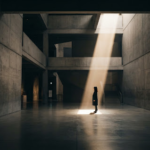
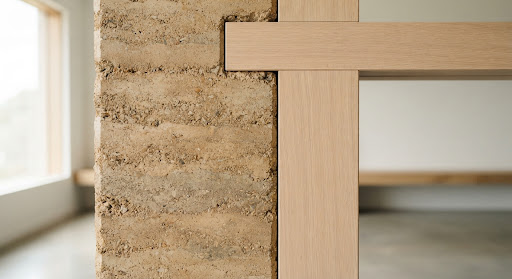
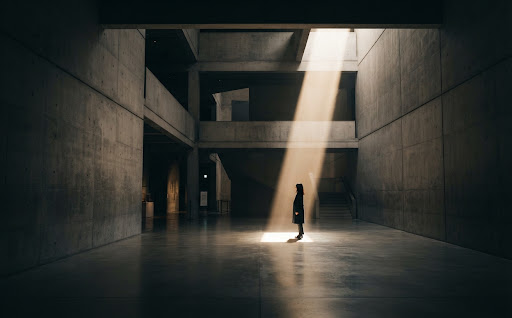
To construct silence requires an intimate understanding of materials. Heavy timbers, porous concrete, and dense textiles absorb rather than reflect sound waves. The resulting acoustics are dry, intimate, and profoundly grounding. One feels the weight of the silence, a physical sensation that encourages slower movement and hushed tones.
We are not designing emptiness; we are designing the conditions for attention to flourish.
— Architect Elena Silva
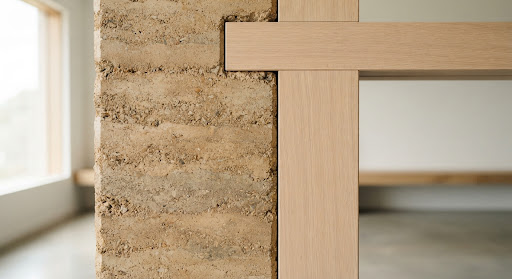
Consider the newly completed Meditation Pavilion in the heart of bustling Dakar. Clad in locally sourced rammed earth, the structure acts as an acoustic fortress. Upon entering, the roar of the city is immediately truncated, replaced by the subtle rustle of a central courtyard garden. It is a masterclass in threshold design—the abrupt transition from noise to stillness recalibrates the senses.
A Return to the Source
The desire for these hushed environments often points back to historical vernaculars. Courtyard homes, thick-walled monastic cells, and shaded verandas all offer blueprints for managing sound. By reinterpreting these ancient typologies through a modern lens, designers are bridging the gap between heritage and contemporary needs.
Ultimately, the architecture of silence is about reclamation. It is claiming the right to think deeply, to converse intimately, and to simply exist without the persistent demand of external stimuli. In cultivating these quiet spaces, we are perhaps building the most profound luxury of the 21st century.