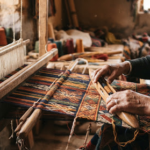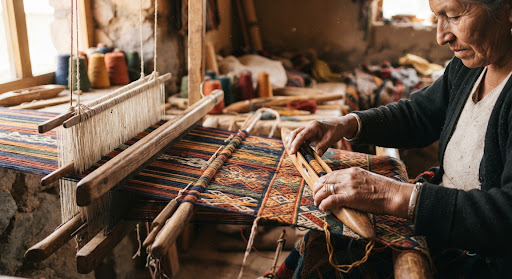
A skilled maker rarely says they invented what they do. They say they were shown. Someone placed their hands in the right position, corrected them gently, and stood by until it held.
That is how craft survives migration. It is carried in the body, adapted to new materials, new kitchens, new cities, and passed on again with small changes that become part of the tradition.
It is also why craft is so often misread as nostalgia. Done properly it is the opposite: a living method, still being adjusted by the people who use it.
What changes and what stays
The pattern might shift with the thread available. The recipe might shift with the market down the road. What stays is the attention, the patience, and the sense that the work is being done for someone.
A technique is a conversation that has been going on for a very long time.
Elikia Editorial
That sense is worth protecting, and worth documenting while the people who hold it can still explain it in their own words.